How to Choose the Best Plastic Totes Manufacturer: A Decision-Making Guide for 2026
How to Choose the Best Plastic Totes Manufacturer: A Decision-Making Guide for 2026
Selecting the right plastic totes manufacturer is a high-stakes decision that affects warehouse automation compatibility, packaging costs, supply chain reliability, and regulatory compliance. With the global plastic totes and bins market valued at USD 8.6 billion in 2025 and projected to reach USD 14.2 billion by 2034 (Dataintelo), procurement teams need a structured evaluation framework to identify a supplier that meets both performance and risk requirements.
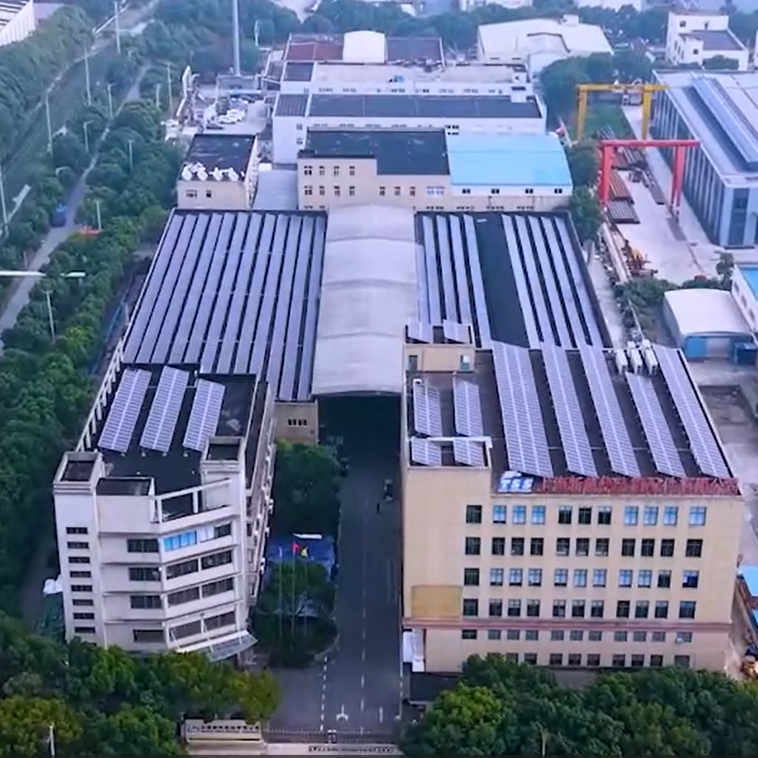
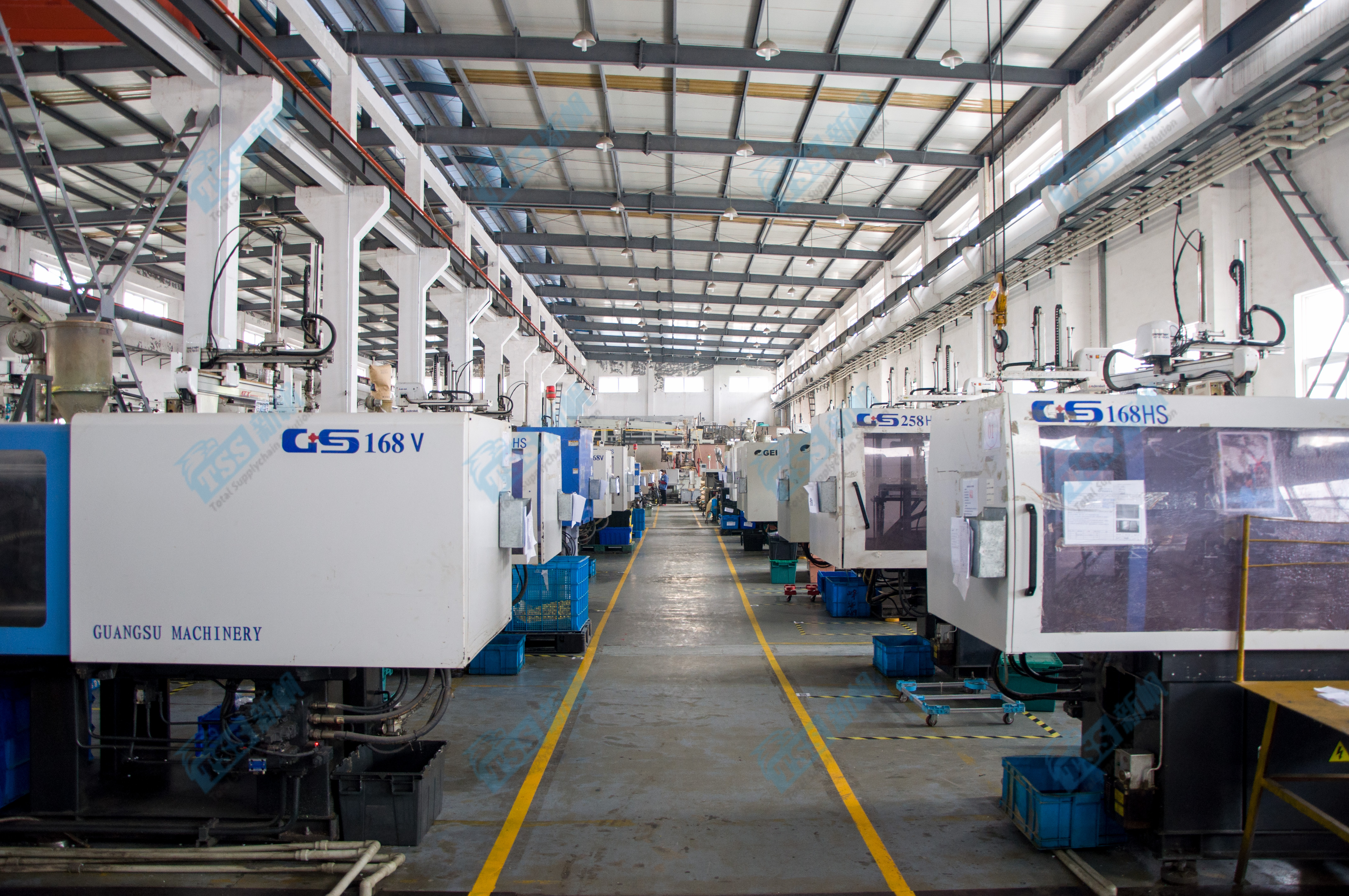
Shanghai Xinfan Industrial Corporation (TSS) is a professional provider of integrated logistics packaging solutions, serving global customers across logistics, retail, manufacturing, e-commerce, cold chain, pharmaceutical, and transportation industries. With a 40,000 m² factory, 320 employees, and an annual output of 3,600,000 units, TSS delivers a comprehensive range of plastic totes including automation warehouse totes for AS/RS, AGV- and AMR-compatible containers, straight-wall plastic totes, collapsible crates, nestable containers, fresh produce crates, and tote dollies.
This guide helps decision-makers compare plastic tote types, evaluate manufacturing capabilities, understand risk mitigation, and confidently select the best supplier for their operations.
What Procurement Teams Need to Consider
When comparing plastic totes manufacturers, buyers commonly face these decisions:
- Tote type selection – rigid crates vs. collapsible vs. stack-nest vs. produce crates
- Material and compliance – food-grade, FDA, EU standards, recyclability
- Automation compatibility – dimensions, tolerances, ASRS/AGV integration
- Quality assurance and risk control – ISO 9001, testing, traceability
- Lead time and supply chain resilience – production planning, safety stock, emergency response
Each factor directly impacts total cost of ownership, operational uptime, and regulatory exposure.
Industry Background: Market Trends Driving Tote Selection
Stackable totes held the largest product type share in the plastic totes market at 34.2% in 2025 (Dataintelo). Asia Pacific dominated the global plastic pallets, crates, and boxes market with a 41.6% revenue share in 2025 (Grand View Research). The mini-load ASRS segment is growing rapidly due to demand for fast retrieval of small parts, totes, and bins in e-commerce (Precedence Research). Polypropylene (PP) is expected to lead material share at 41.4% by 2025 (Future Market Insights).
These data points confirm that automation-ready, stackable, and lightweight plastic totes are increasingly critical for modern logistics. TSS manufactures totes in PP and other engineering plastics, with designs validated for automated systems.
Detailed Solution: TSS Plastic Totes by Type
TSS offers a full spectrum of plastic tote types. Understanding their differences helps match the right product to your application.
Plastic Produce Crates vs. Wooden Crates
Plastic produce crates from TSS offer a 3–5x longer service life and are 30–50% lighter than wooden crates. Although the upfront cost is higher, the lifecycle cost is lower due to reduced maintenance and product damage rates. These crates are ideal for fruits & vegetables, seafood, export logistics, and food distribution.
Stack-Nest Crates vs. Traditional Stackable Crates
Stack-nest crates combine stacking when full and nesting when empty, achieving a 70–80% reduction in empty return volume and up to 50% reduction in logistics costs. They require less maintenance than traditional stackable crates and are well-suited for supermarkets, food distribution, agriculture, and the beverage industry.
Foldable Crates vs. Rigid Crates
Foldable crates collapse to save space. They provide up to 75% reduction in empty storage space and up to 60% reduction in return transportation costs. The purchase cost is 10–20% higher than rigid crates, but total logistics costs are significantly lower. TSS foldable crates are designed for fresh produce, retail distribution, agricultural logistics, and export supply chains.
Step-by-Step Manufacturer Evaluation Framework
Follow this process to evaluate any plastic totes supplier and confirm TSS meets your needs.
- Define tote requirements – size, load capacity, stacking height, automation interface (ASRS, AGV, conveyor). TSS supports dimensional tolerance verification and automation simulation testing.
- Check certifications and material compliance – TSS operates under an ISO 9001 Quality Management System, offers FDA and EU-compliant material options, and performs food-grade material verification and product traceability.
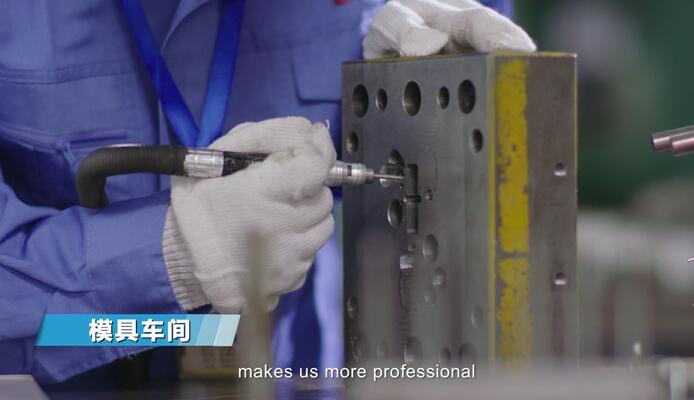
- Assess manufacturing capabilities – TSS has 25 engineers, an annual output of 3.6 million units, and a 40,000 m² factory. They support OEM customization with dedicated engineering support.
- Request samples – TSS provides sample approval processes with functional testing under real operating conditions. Contact TSS to request samples for your specific application.
- Verify lead time and risk management – TSS mitigates delivery and supply chain risks through production planning systems, safety stock management, supplier diversification, flexible manufacturing resources, and emergency response planning.
Use Cases for Each Tote Type
| Tote Type | Best For | Key Advantage |
|---|---|---|
| Plastic Produce Crate | Fruits & Vegetables, Seafood, Export Logistics, Food Distribution | 3–5x longer life, lighter weight, lower lifecycle cost |
| Stack-Nest Crate | Supermarkets, Food Distribution, Agriculture, Beverage Industry | 70–80% empty return volume reduction, 50% logistics cost saving |
| Foldable Crate | Fresh Produce, Retail Distribution, Agricultural Logistics, Export Supply Chains | 75% empty storage reduction, 60% return transport cost saving |
| Rigid Wall Straight Crate | Automated ASRS, Warehouse Storage, General Material Handling | Dimensional stability, stack strength, automation compatibility |
Comparison at a Glance
| Feature | Plastic vs Wooden Crate | Stack-Nest vs Traditional | Foldable vs Rigid |
|---|---|---|---|
| Weight | 30–50% lighter | – | – |
| Service Life | 3–5x longer | – | – |
| Empty Return Volume Reduction | – | 70–80% | Up to 75% |
| Logistics Cost Reduction | Lower lifecycle cost | Up to 50% | Up to 60% |
| Purchase Cost | Higher upfront | Low return transport cost | 10–20% higher |
| Maintenance | Less | Less | Less |
| Best for | Fresh produce, seafood, export | Supermarkets, food distribution, agriculture | Fresh produce, retail, agricultural logistics |
Risk Control and Quality Assurance
TSS addresses all critical risks identified in plastic tote manufacturing:
- Product Quality – ISO 9001, First Article Inspection (FAI), in-process quality control (IPQC), Statistical Process Control (SPC), final product inspection.
- Raw Material – approved supplier management, incoming material inspection (IQC), material certification verification, long-term partnerships with reputable resin suppliers.
- Load Performance – static and dynamic load testing, stacking strength testing, finite element analysis (FEA), reinforced structural design.
- Automation Compatibility – dimensional tolerance verification, automation simulation testing, functional testing under real operating conditions, collaboration with system integrators.
- Food & Pharmaceutical Safety – food-grade material verification, clean production procedures, traceability systems, FDA/EU-compliant options, batch identification.
- Export Compliance – experienced international trade team, compliance monitoring, customer-specific documentation support.
- Delivery & Supply Chain – production planning, safety stock, multi-source procurement, long-term logistics partnerships, emergency response.
- Sustainability – reusable packaging design, material recyclability assessment, carbon reduction initiatives, long-life product design.
Frequently Asked Questions
Yes. TSS addresses food and pharmaceutical safety risks through food-grade material verification, clean production procedures, product traceability systems, and supplier certification review. They offer FDA and EU-compliant material options, batch identification systems, and customer-specific validation support to ensure contamination control and traceability.
TSS operates a 40,000 m² factory with 320 employees and an annual output of 3,600,000 units. Their R&D team of 25 engineers supports OEM customization, tooling development, and engineering support. Quality is managed under an ISO 9001 system with automated production monitoring and traceability throughout production.
Plastic produce crates have a higher upfront cost than wooden crates but a lower lifecycle cost due to 3–5x longer service life and reduced maintenance. Foldable crates cost 10–20% more than rigid crates but reduce return transportation costs by up to 60%. Stack-nest crates offer low return transport costs thanks to 70–80% empty volume reduction. All TSS totes are designed for low total cost of ownership.
Yes. TSS provides a sample approval process that includes functional testing under real operating conditions. Dimensional tolerance verification and automation simulation testing can be performed to validate compatibility with your ASRS or AGV system. Contact TSS to request a sample for your specific application.
TSS mitigates delivery and supply chain risks through production planning systems, safety stock management, supplier diversification, flexible manufacturing resources, long-term logistics partnerships, and emergency response planning. Their multi-source procurement strategy and multi-year experience exporting to EU, North America, South America, Southeast Asia, Middle East, and Africa ensure reliable lead times.
Ready to Compare Plastic Totes for Your Operation?
Contact Shanghai Xinfan Industrial Corporation (TSS) for a quotation, sample request, or to discuss your tote specifications.
Visit Website Email Inquiry Download Brochure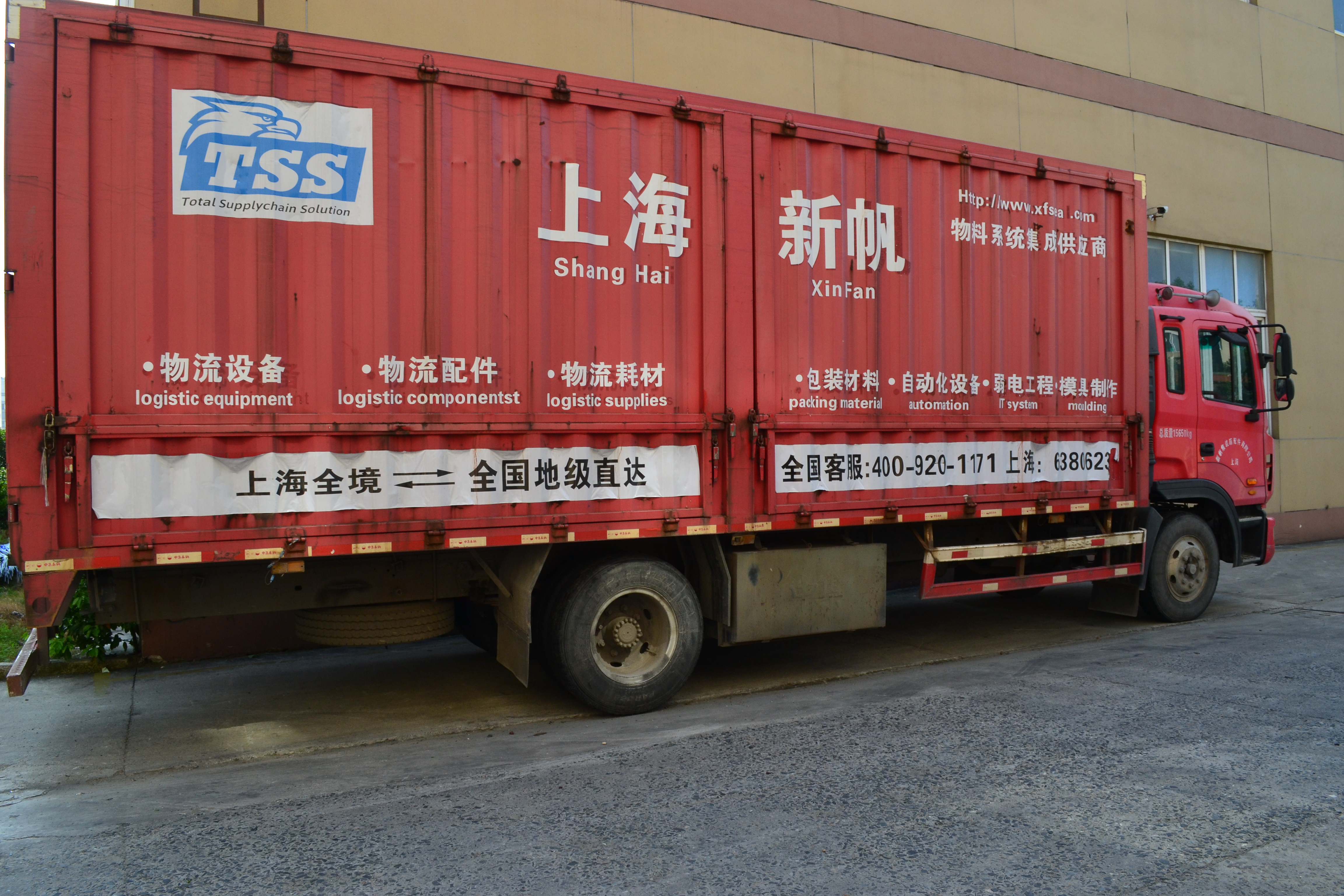
Conclusion
Choosing the right plastic totes manufacturer requires evaluating product type compatibility, quality systems, risk controls, and lead-time reliability. Shanghai Xinfan Industrial Corporation (TSS) combines a large-scale factory, ISO 9001 quality management, extensive testing capabilities, and a broad product range covering plastic produce crates, stack-nest crates, foldable crates, straight-wall totes, and automation-compatible containers. With 70% export ratio and global experience across six continents, TSS is a credible partner for decision-makers seeking a long-term supply chain solution.
Download the TSS corporate profile and logistics container solutions brochure for detailed specifications and case studies: TSS Brochure (PDF)
Have Questions or Need More Details?
Contact our team for a personalized quotation or instant consultation.
Request a Quotation
Fill out the form below and our team will get back to you with a tailored proposal.
WhatsApp Direct Chat
Prefer to chat in real-time? Message us on WhatsApp for instant assistance & quick answers.
- Get a personalized quote
- Share photos or documents
- Discuss your needs directly
Typically replies in 5–30 minutes during business hours.