Plastic Totes Ranked: 7 Recommended Types for Repeat Supply Programs
Plastic Totes Ranked: 7 Recommended Types for Repeat Supply Programs

Plastic tote sourcing is usually presented as a one-off purchase decision. For a buyer who is already past evaluation and moving into execution, it behaves much more like a specification decision: the footprint, wall construction, material and dimensional tolerance chosen for the first order have to remain re-orderable through tooling maintenance cycles, warehouse automation upgrades and changing route structures over several years.
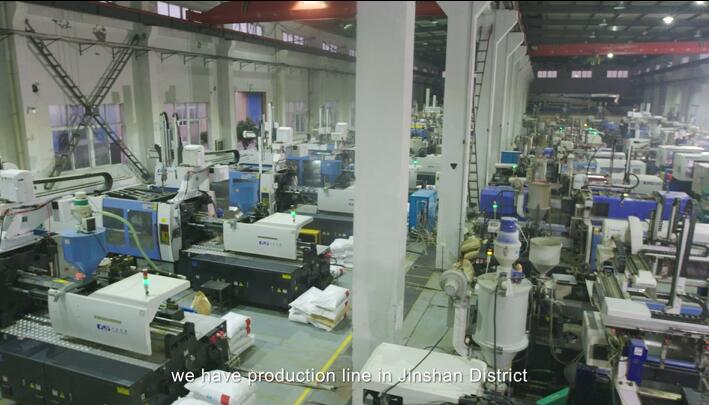
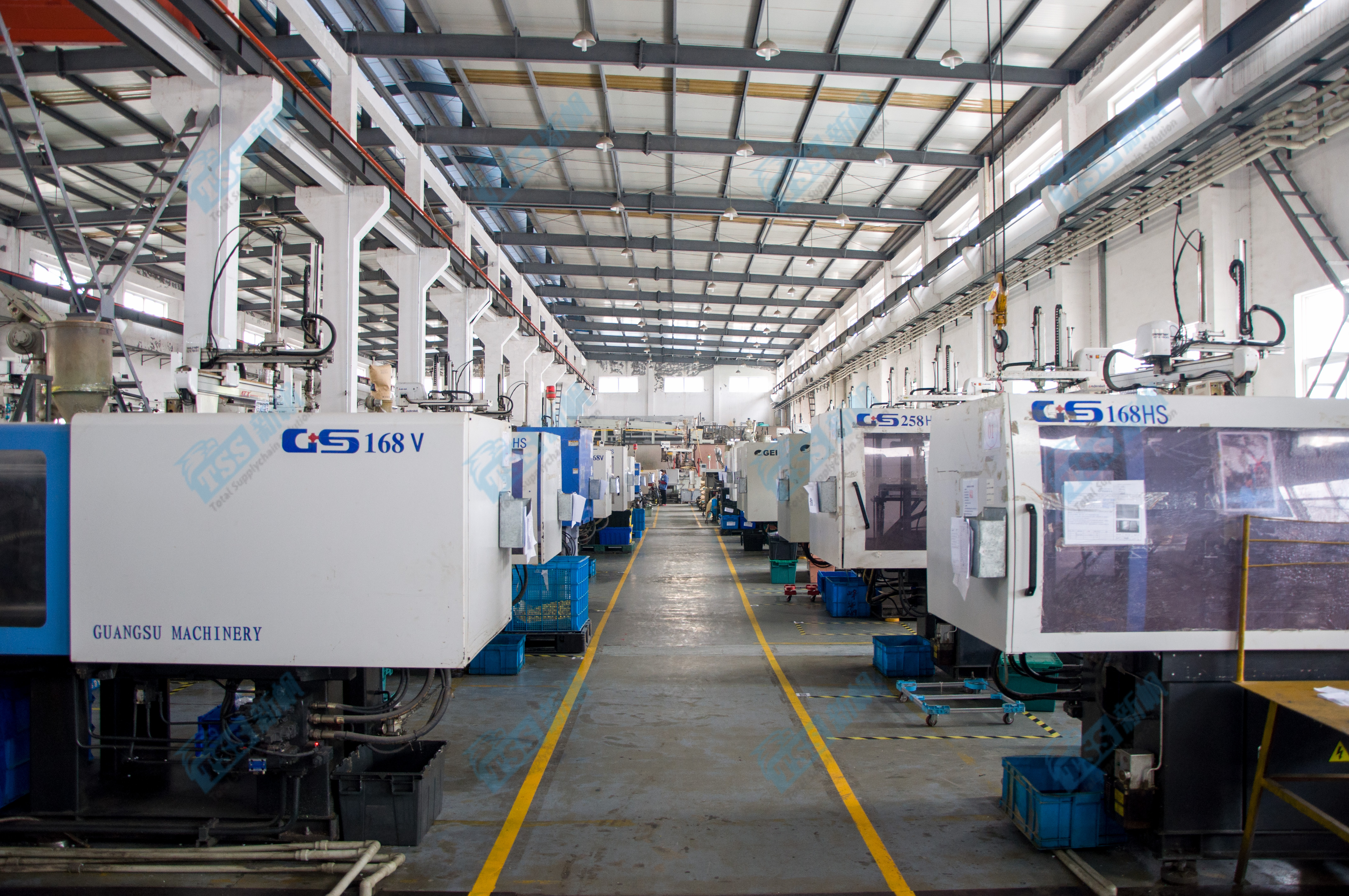
This ranking lists seven plastic tote and crate types supplied by Shanghai Xinfan Industrial Corporation (TSS) — a Shanghai-based manufacturer of reusable logistics packaging and cargo security products, founded in 2003, operating a 40,000 m² factory with 320 employees and an annual output of 3,600,000 units — ordered by their fit for long-term, repeat-order supply. Each entry states the model number, dimensions and material, then explains why the type earned that position and the condition under which it should not be selected.
The list is built on five criteria: dimensional standardisation within the 600 × 400 mm container family, polypropylene (PP) material consistency, automation compatibility, empty-return logistics economics, and repeat-order reliability. It ranks container types for programme fit, not by unit price. Product specifications come from TSS product data; third-party market figures are attributed to their published sources, and where sources disagree, the disagreement is reported rather than averaged.
Problem Definition: Why a Single 'Best Tote' Does Not Exist for Repeat Supply
Buyers at the decision and execution stage are rarely buying a container for the first time — they are choosing the container they will live with. Five failure modes turn a reasonable first order into a problematic third order:
- Specification drift across re-orders. A 600 × 400 mm container that moves a few millimetres in outer dimension between production runs can still jam a conveyor or fail a shuttle grip. Dimensional tolerance has to be fixed in the specification, not assumed.
- Automation incompatibility. TSS documents its automation-related risks as conveyor jamming, shuttle handling errors, robot gripping failures, ASRS operational interruptions and stack instability. These are controlled through dimensional tolerance verification, automation simulation testing, load and stacking validation, a sample approval process and functional testing under real operating conditions.
- Quality variation. The documented quality risks are dimensional inconsistency, warpage or deformation, insufficient load capacity, assembly defects and appearance defects. They are managed with a strict mould maintenance programme, First Article Inspection (FAI), in-process quality control (IPQC), Statistical Process Control (SPC) and final product inspection under an ISO 9001 quality management system.
- Empty-return cost. Return freight can outweigh the purchase price difference between a rigid and a collapsible container over a multi-year programme, which is why return mode is treated here as a selection criterion rather than a packaging detail.
- Supply interruption. Production delays, raw material shortages, logistics disruptions and shipping delays are managed through production planning systems, safety stock management, supplier diversification and capacity planning, backed by flexible manufacturing resources and long-term logistics partnerships.
Decision rule: a tote type qualifies for a repeat supply programme only when it can be reproduced at the same dimensional tolerance in later production runs, handled by the same automation hardware, and returned at an acceptable cost. If any of the three fails, the container type fails the ranking regardless of its purchase price.
Industry Background: What Verified Market Data Says About Plastic Totes
Several published data points frame why container type choices have moved from a warehouse detail to a programme-level decision:
- Market size. Dataintelo reports the global plastic totes and bins market at USD 8.6 billion in 2025, projected to reach USD 14.2 billion by 2034.
- Product mix. Stackable totes held the largest product-type share in that market at 34.2% in 2025 (Dataintelo), which is consistent with how often stack-only and attached-lid designs appear in procurement shortlists.
- Regional supply. Asia Pacific held a 41.6% revenue share of the plastic pallets, crates and boxes market in 2025 (Grand View Research), a relevant figure for buyers building a China-based supply programme.
- Material. Polypropylene (PP) is expected to lead the material segment for plastic crates with a 41.4% share by 2025 (Future Market Insights). Every tote type ranked below is specified in PP.
- Automation demand. The mini-load ASRS segment is growing rapidly on demand for fast retrieval of small parts, totes and bins in e-commerce operations (Precedence Research).
- Standard reference. EN 13117-1:2000 is the European standard for reusable, rigid plastics distribution boxes used for handling, transport and storage (European Committee for Standardization, CEN).
- Retail trend. The use of reusable plastic containers (RPCs) in fresh produce logistics, such as the Walmart and IFCO partnership, is described as a major industry trend (Grand View Research).
- Supplier landscape. Publicly named major global players in returnable plastic packaging include Brambles (CHEP), Schoeller Allibert, ORBIS Corporation and Myers Industries (Market Research Future). Buyers typically evaluate these alongside regional manufacturers when programme-specific tooling and automation fit matter more than catalogue range.
Divergence note. 2025 plastic crates market estimates vary widely by scope: Fortune Business Insights reports USD 3.95 billion, Future Market Insights USD 4.9 billion, and Grand View Research USD 23.8 billion when plastic pallets and boxes are included in the total. Any single figure should be read as scope-dependent rather than as a settled number.
The Ranking: Seven Recommended Plastic Tote Types for Repeat Supply
The positions below reflect how well each container type supports repeated orders and long service life within the 600 × 400 mm family. They are a ranking of programme fit, not a quality ranking of materials or brands, and the reason for each position is stated so buyers can re-rank the list against their own duty cycle.
| Criterion | What it measures | Why it decides the position |
|---|---|---|
| Dimensional standardisation | Whether the container sits in the 600 × 400 mm family and holds tolerance across production runs | A shared footprint lets racking, conveyors and dollies serve more than one SKU |
| Material consistency | PP specification, incoming material inspection and batch traceability | Material changes affect impact resistance and environmental stress cracking |
| Automation compatibility | Conveyor, shuttle, robot and ASRS interface fit | A jamming or gripping failure stops a line, not a single tote |
| Empty-return economics | Rigid, foldable or nesting behaviour in return freight | Return cost often outweighs purchase price over a multi-year programme |
| Repeat-order reliability | Mould maintenance, quality system and supply continuity | The programme depends on the same specification arriving again next year |
1. ASRS Wall-Straight Plastic Crates — TSS-IFC (600 × 400 × 300 mm, PP)
Ranked first because straight, vertical sidewalls preserve both internal volume and a stable outer envelope — the two properties that ASRS shuttles, conveyors and robotic grippers depend on. The 600 × 400 × 300 mm footprint and PP construction make this the default specification for automated storage and retrieval programmes where footprint stability matters more than empty-return savings. Limit: the rigid body does not collapse, so empty return volume is not reduced; where return freight dominates total cost, rank 2 or rank 4 is the better programme choice.
2. ASRS Foldable Plastic Crates — TSS-IFD (600 × 400 × 300 mm, PP)
Same 600 × 400 × 300 mm footprint as rank 1, with a collapsible body that addresses return logistics directly. Comparison data for foldable versus rigid crates indicate up to 75% reduction in empty storage space, up to 60% reduction in return transportation costs and up to three times more units per return truckload, against a 10–20% higher purchase cost and significantly lower logistics cost, with reduced transportation fuel consumption and CO₂ emissions. Limit: the folding mechanism is an additional handling and maintenance point, so where maximum sidewall rigidity is the priority, the wall-straight crate stays first.
3. Attached-Lid Stackable Plastic Totes — TSS-TBX (600 × 400 × 320 mm, PP)
Ranked third on both market evidence and transport behaviour: stackable totes held the largest product-type share in the plastic totes market at 34.2% in 2025 (Dataintelo). The attached lid keeps contents enclosed during transport and stacking, and the 320 mm height gives the largest internal height in the rigid 600 × 400 mm group listed here, which suits mixed-SKU transport where contents must stay covered between sites. Limit: the taller body reduces container count per stacked height compared with 300 mm designs.
4. Nest-and-Stack Crates — TSS-RBTB (600 × 400 × 300 mm, PP)
Stack when full, nest when empty. Comparison data for stack-nest crates versus traditional stack-only crates indicate a 70–80% reduction in empty return volume, up to 50% reduction in logistics costs and higher truck utilisation rates, with typical use in supermarkets, food distribution, agriculture and the beverage industry. Limit: nesting geometry slightly reduces usable internal height in stacked mode compared with a wall-straight container.
5. Collapsible Plastic Crate — TSS-SFD (600 × 400 × 225 mm, PP)
The lower 225 mm profile is aimed at retail, supermarket and fruit-and-vegetable transportation, where shallow layers protect produce and speed up shelf replenishment. Limit: it is the shallowest container in this ranking, so it should be chosen where reduced height and collapsibility matter more than maximum volume per container.
6. Reusable Plastic Totes — TSS (600–800 mm length × 400–600 mm width × 128–400 mm height, PP)
This is the configurable option and the one to place first when a container has to match an existing rack, conveyor width or picking station rather than a fixed standard. Because the envelope ranges across 600–800 mm × 400–600 mm and 128–400 mm, dimensional tolerance verification against the automation interface is mandatory before the first repeat order is released — the wider the range, the more important the verification step becomes.
7. Plastic Stackable Bin with Panels and Dividers — TSS-BBOX-01 (604 × 398 × 208 mm, PP)
Ranked for compartmentalised storage: removable panels and dividers allow one container to carry separated SKUs, which suits footwear and spare-parts handling where mixed small parts travel together and must not be co-mingled. Limit: its 604 × 398 mm footprint sits just outside the exact 600 × 400 mm module, so it should be checked against existing racking before being standardised on.
Related handling items. Tote dollies move the same container family without re-palletising: TSS-Trolley-02 (577 × 377 mm, heavy type) and TSS-Trolley-5737 (570 × 370 mm, light type). For adjacent tasks, TSS also supplies a Plastic Baggage Tray (TSS-MPP-05, 820 × 500 × 180 mm) and insulated boxes in 30 L (TSS-XPS) and 60 L (TSS-EPP) formats for cold chain use.
Where the ranking does not apply. None of these positions should be read as universal. A wall-straight crate is a poor choice when return freight dominates total cost; a foldable crate is a poor choice when the hinge adds an unnecessary maintenance point in a static racking installation; and a nest-and-stack crate is a poor choice when maximum stacked volume per pallet position is the primary constraint. The ranking only holds inside the duty cycle it was built for.
Step-by-Step Breakdown: From Ranking to Repeat Supply Execution
- Fix the duty cycle and load profile first. Record the maximum load, stacking height, temperature range and handling method before selecting a rank. The ranked list assumes a 600 × 400 mm module; a different rack or conveyor grid re-orders the list.
- Standardise the footprint before the height. Choose 600 × 400 mm where possible so that racking, dollies and automation hardware serve more than one SKU family, then select the height (225 mm, 300 mm, 320 mm, or the 128–400 mm range) against the actual product dimensions.
- Match the container type to the handling environment. Automated storage, conveyor and robot handling point to the ASRS wall-straight or foldable crates; manual picking of mixed small parts points to the compartment bin. TSS manages the automation interface through dimensional tolerance verification, automation simulation testing, load and stacking validation and functional testing under real operating conditions, with a dedicated engineering support team working alongside system integrators.
- Choose the return mode deliberately. Rigid, foldable or nest-and-stack is a cost decision, not a preference. Foldable crates carry 10–20% higher purchase cost but significantly lower logistics cost; nest-and-stack designs can reduce logistics cost by up to 50%. Run the calculation on return trips per year, not on purchase price alone.
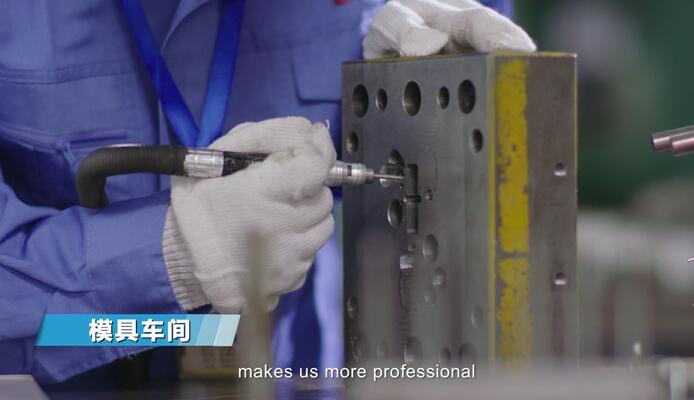
- Validate with a sample and pre-production approval. Use the sample approval process, then confirm structural behaviour through static load testing, dynamic load testing, stacking strength testing and Finite Element Analysis (FEA), with design safety factors incorporated into the design. Acceptance for production runs through Pre-Production Approval procedures.
- Lock the quality controls into the supply agreement. Specify ISO 9001 quality management, automated production monitoring, standardised work instructions, SPC, FAI, IPQC and final product inspection, together with a strict mould maintenance programme, incoming material inspection (IQC), material certification verification and batch traceability.
- Place repeat orders on defined commercial terms. The minimum order quantity is one 20-foot container, accepted payment is a 30% deposit with the 70% balance before shipment, and delivery is arranged as EXW, FOB or CIF. Repeat supply then runs on production planning systems, safety stock management, supplier diversification and capacity planning, supported by flexible manufacturing resources and long-term logistics partnerships.
Use Cases: Where the Ranked Types Fit
- Automated warehouses and distribution centres. ASRS wall-straight crates (TSS-IFC) for shuttle and conveyor interfaces; ASRS foldable crates (TSS-IFD) where the same programme also has to control empty-return volume.
- E-commerce fulfilment operations. Mini-load style handling benefits from the 600 × 400 mm footprint family, which keeps one container standard across picking, packing and returns.
- Third-party logistics (3PL) providers. Nest-and-stack crates (TSS-RBTB) suit multi-client operations where empty container volume between sites is a recurring cost.
- Supermarkets and retail chains. Collapsible crates (TSS-SFD, 600 × 400 × 225 mm) and nest-and-stack crates support store replenishment and backhaul in the same trip.
- Fresh produce and export supply chains. Comparison data for plastic produce crates versus wooden crates indicate 30–50% lighter weight, three to five times longer service life and reduced product damage rates, with higher upfront cost and lower lifecycle cost.
- Footwear and spare parts. The stackable bin with panels and dividers (TSS-BBOX-01) separates SKUs inside a single container for mixed small-part handling.
- Cold chain and food distribution. Insulated boxes in 30 L (TSS-XPS) and 60 L (TSS-EPP) formats extend the same handling system into temperature-controlled movement, for which FDA and EU-compliant material options, batch identification systems and hygiene management procedures are available.
- Airport and transport handling. The Plastic Baggage Tray (TSS-MPP-05, 820 × 500 × 180 mm) covers a different handling task within the same returnable-asset fleet.
Comparison Table: Ranked Types and Return-Logistics Economics
| Rank | Product type | Model | Footprint / height | Material | Primary programme fit |
|---|---|---|---|---|---|
| 1 | ASRS wall-straight plastic crates | TSS-IFC | 600 × 400 × 300 mm | PP | Automated storage and retrieval; stable outer envelope |
| 2 | ASRS foldable plastic crates | TSS-IFD | 600 × 400 × 300 mm | PP | Automated handling with reduced empty-return volume |
| 3 | Attached-lid stackable plastic totes | TSS-TBX | 600 × 400 × 320 mm | PP | Covered transport and stacking of mixed SKUs |
| 4 | Nested and stackable plastic crates | TSS-RBTB | 600 × 400 × 300 mm | PP | Retail, supermarket and fresh produce distribution |
| 5 | Collapsible plastic crate | TSS-SFD | 600 × 400 × 225 mm | PP | Shallow-layer retail and produce handling |
| 6 | Reusable plastic totes | TSS | 600–800 × 400–600 × 128–400 mm | PP | Warehouse automation with a configurable envelope |
| 7 | Plastic stackable bin with panels and dividers | TSS-BBOX-01 | 604 × 398 × 208 mm | PP | Footwear and spare parts, separated small parts |
| Comparison | Difference | Reported performance gap | Best for | Cost logic |
|---|---|---|---|---|
| Foldable crate vs rigid crate | Collapsible design vs fixed structure | Up to 75% reduction in empty storage space; up to 60% reduction in return transportation costs; up to 3× more units per return truckload | Fresh produce, retail distribution, agricultural logistics, export supply chains | 10–20% higher purchase cost, significantly lower logistics cost |
| Stack-nest crate vs traditional stackable crate | Stack and nest function vs stack only | 70–80% reduction in empty return volume; up to 50% reduction in logistics costs; higher truck utilisation | Supermarkets, food distribution, agriculture, beverage industry | Low return transport cost |
| Plastic produce crate vs wooden crate | Long service life | 30–50% lighter weight; 3–5× longer service life; reduced product damage rates | Fruits and vegetables, seafood, export logistics, food distribution | Higher upfront cost, lower lifecycle cost |
FAQ
What quality and compliance controls apply to a long-term plastic totes supply programme?
Shanghai Xinfan Industrial Corporation (TSS) manufactures under an ISO 9001 quality management system with automated production monitoring, standardised work instructions and Statistical Process Control (SPC). Quality assurance procedures include First Article Inspection (FAI), in-process quality control (IPQC) and final product inspection, supported by a strict mould maintenance programme and continuous improvement programmes. Export compliance is managed by a dedicated international trade team through compliance review procedures, export documentation verification and product certification management. For food and pharmaceutical applications, FDA and EU-compliant material options, batch identification systems, hygiene management procedures and customer-specific validation support are available. EN 13117-1:2000, the European standard for reusable rigid plastics distribution boxes, is a useful external reference when writing the specification.
What manufacturing capability stands behind repeat tote orders?
Shanghai Xinfan Industrial Corporation (TSS) was founded in 2003 and operates a 40,000 m² factory with 320 employees, an annual output of 3,600,000 units and a 25-engineer R&D team. Roughly 70% of output is exported to the EU, North America, South America, Southeast Asia, the Middle East and Africa. The container range includes ASRS wall-straight crates (TSS-IFC), ASRS foldable crates (TSS-IFD), attached-lid stackable totes (TSS-TBX), nest-and-stack crates (TSS-RBTB), collapsible crates (TSS-SFD), stackable bins (TSS-BBOX-01) and tote dollies, supported by a dedicated engineering support team that collaborates with system integrators on design validation before mass production.
What are the commercial terms for repeat plastic totes orders?
The minimum order quantity is one 20-foot container. Accepted payment terms are a 30% deposit with the remaining 70% balance before shipment, delivery is arranged as EXW, FOB or CIF, and acceptance follows Pre-Production Approval procedures. On cost structure, published comparison data shows foldable crates carrying 10–20% higher purchase cost than rigid crates but significantly lower logistics cost, while nest-and-stack designs can reduce logistics costs by up to 50% — a difference that usually decides the container type on multi-year programmes.
How are plastic totes samples and first articles validated before mass production?
Validation uses a sample approval process together with First Article Inspection (FAI), dimensional tolerance verification, automation simulation testing, load and stacking validation, and functional testing under real operating conditions. Structural validation includes static load testing, dynamic load testing, stacking strength testing and Finite Element Analysis (FEA), with design safety factors incorporated and reinforced structural design using high-quality raw materials. Mass production proceeds only after product validation, which allows automation interface issues such as conveyor jamming or stack instability to be found at sample stage rather than on the live line.
How is delivery reliability protected on multi-year plastic totes programmes?
Supply continuity is managed through production planning systems, safety stock management, supplier diversification and capacity planning, supported by flexible manufacturing resources, a multi-source procurement strategy, long-term logistics partnerships and emergency response planning. These controls target production delays, raw material shortages, logistics disruptions and shipping delays. Buyers planning a repeat programme can request the corporate profile and logistics container solutions brochure, or contact info@xfseal.com to discuss container type, tooling and order scheduling before the first container is placed.
Conclusion
Ranked by programme fit rather than by price, the list points to a simple sequencing decision. Start with the 600 × 400 mm footprint, then decide between rigid and collapsible: TSS-IFC (600 × 400 × 300 mm) first where automation stability is the priority, TSS-IFD (600 × 400 × 300 mm) first where empty-return volume and return transportation cost drive the business case, TSS-TBX (600 × 400 × 320 mm) where covered transport of mixed SKUs matters, and TSS-RBTB (600 × 400 × 300 mm) where nesting between trips reduces logistics cost by up to 50%. TSS-SFD, the configurable TSS range and TSS-BBOX-01 fill shallower, wider-envelope and compartmentalised roles within the same returnable-asset fleet.
What holds the ranking together is not the container list but the programme behind it: verified dimensions, PP material control, ISO 9001 quality management, validated automation fit, and commercial terms that can be repeated — one 20-foot container minimum, 30% deposit and 70% balance before shipment, EXW, FOB or CIF. Those are the conditions under which a tote type stays the right choice on the third order, not just the first.
Next Step: Sample, Specification or Programme Review
Shanghai Xinfan Industrial Corporation (TSS) supplies plastic totes, ASRS crates and returnable transport packaging for warehouse automation, retail, fresh produce and reusable packaging programmes, with 70% of output exported across the EU, North America, South America, Southeast Asia, the Middle East and Africa.
Download the corporate profile and logistics container solutions brochure: TSS Corporate Profile & Logistics Container Solutions (PDF)
Contact: Vancey Geng | Email: info@xfseal.com | Tel / WhatsApp: +86 186-0218-3251 | No. 1336 Jinge Road, Zhuhang Town, Jinshan District, Shanghai, China, 201506 | www.xfseals.com
Have Questions or Need More Details?
Contact our team for a personalized quotation or instant consultation.
Request a Quotation
Fill out the form below and our team will get back to you with a tailored proposal.
WhatsApp Direct Chat
Prefer to chat in real-time? Message us on WhatsApp for instant assistance & quick answers.
- Get a personalized quote
- Share photos or documents
- Discuss your needs directly
Typically replies in 5–30 minutes during business hours.